
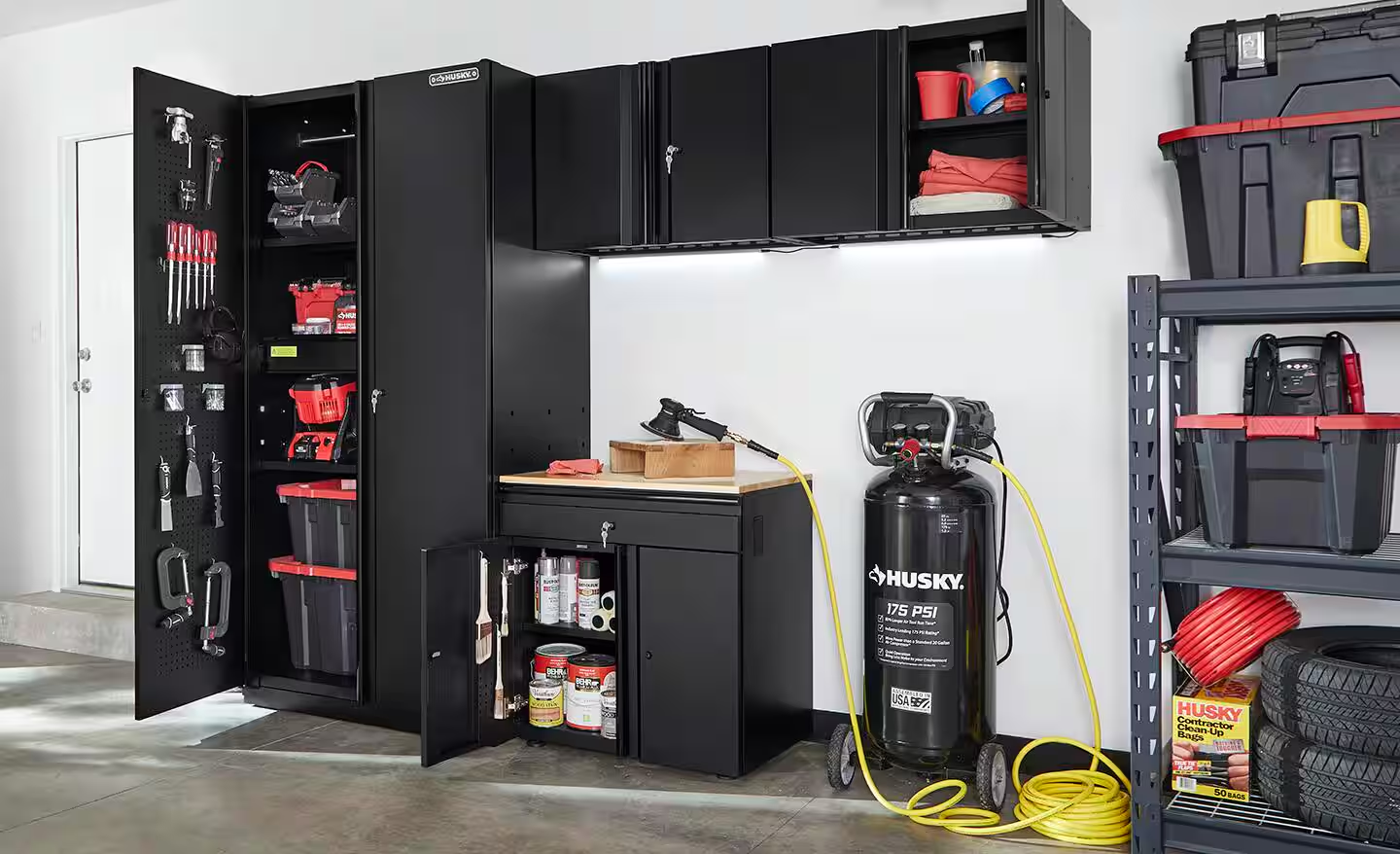
Quick checklist (what this guide covers)
- Define the “90% garage” scope: the tool categories that solve most home + vehicle tasks
- Build the foundation: tool storage, work surface, lighting, and safety baseline
- Stock essential hand tools (fastening, gripping, striking, measuring) with best-value picks
- Add the automotive core (lifting/support, torque, diagnostic/charging) to work safely and correctly
- Add the power-tool core (drill/driver, impact, cutting/grinding, oscillating) with practical homeowner use-cases
- Round out with air, cleanup, chemicals, and consumables that make work faster and cleaner
- Provide buying rules, maintenance tips, and a “build in phases” plan so you don’t overspend
What “complete” means for a home garage (and what it doesn’t)
When I say “complete home garage tool setup,” I’m not talking about outfitting a professional mechanic bay or a fabrication shop. I’m talking about a garage that lets a homeowner confidently tackle 90% of typical tasks:
- Assemble furniture, hang shelving, fix doors, patch drywall, mount TVs
- Maintain bikes, mowers, snowblowers, and small engines
- Do basic vehicle work: oil changes, brakes, batteries, sensors, tire rotations, basic suspension jobs
- Handle common emergencies: leaks, stuck fasteners, electrical gremlins, broken hardware
A “complete” setup is less about owning everything and more about having the right core tools, stored well, easy to find, and safe to use.
From an SEO standpoint, this guide targets the primary keyword phrase “Complete Home Garage Tool Setup Guide”and closely related queries like home garage tool setup, essential garage tools, and garage tools checklist throughout.
Start here: the garage fundamentals (storage, bench, lighting, safety)
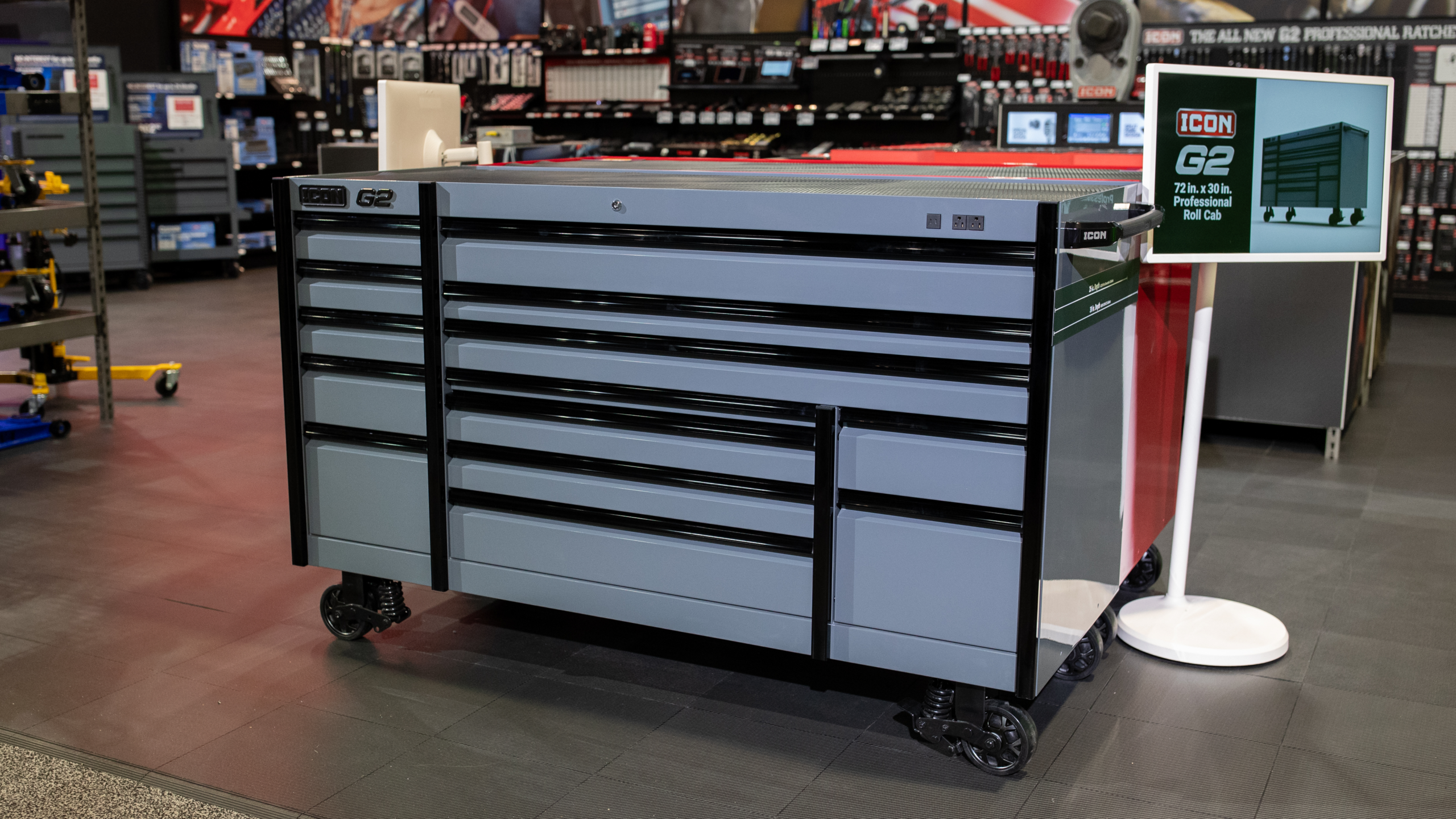
1) Tool storage (because lost time is real)
If you can’t find tools quickly, you’ll stop using your garage. I’ve learned that the hard way.
What you want:
- A rolling cabinet or chest with smooth drawers
- Drawer liners
- A small parts organizer (screws, terminals, fuses, hose clamps)
- A magnetic strip and a few wall hooks for frequently used items
Best-value recommendations
- Rolling tool cabinet (mid-range “buy once, cry once”): Car and Driver’s toolbox testing highlights the Harbor Freight ICON line as a strong value within its class. Car and Driver
- Rolling cabinet (great performance per dollar): Pro Tool Reviews calls out options like the Gearwrench 72-inch rolling cabinet as a pro-grade build without premium-truck pricing. Pro Tool Reviews
Brief review (what I like / don’t)
- A quality rolling cabinet changes everything: drawers glide, tools stay sorted, and the top becomes a “landing pad” for active projects. The downside is obvious: once you go bigger, you’ll want even more storage. Plan for growth.
2) Workbench (your garage’s “operating table”)
A bench is where projects get finished instead of abandoned.
What you want:
- A sturdy top (wood or steel) you won’t baby
- A vise mounted to a corner
- Power strip and charging station nearby
- Pegboard or French cleats above it
Best-value recommendation
- Husky mobile workbench concept: A mobile bench/cabinet style (like the Husky 46-inch mobile workbench with extension table) is a practical option if you want storage + surface area in one footprint. ARTMAN
Brief review
- Mobile benches are underrated in real garages. Being able to pull the bench to the driveway (or back against the wall) is a space multiplier.
3) Lighting (the cheapest performance upgrade)
Bad lighting makes every job harder. Add light before you buy more tools.
My baseline:
- Bright overhead LEDs
- 1–2 plug-in shop lights
- A headlamp
- A magnetic under-hood/under-car light
Brief review
- The best light is the one that doesn’t cast harsh shadows. In practice, that means multiple angles: overhead + portable + headlamp.
4) Safety essentials (non-negotiable)
If you’re setting up a complete home garage tool setup, safety is part of “complete.”
Must-haves
- ANSI-rated safety glasses (buy several pairs)
- Hearing protection (muffs are easiest)
- Nitrile gloves + a durable work glove
- Fire extinguisher (ABC)
- First aid kit
- Wheel chocks (for vehicle work)
- A quality jack + jack stands (more on this below)
Essential hand tools (the foundation of 90% of jobs)
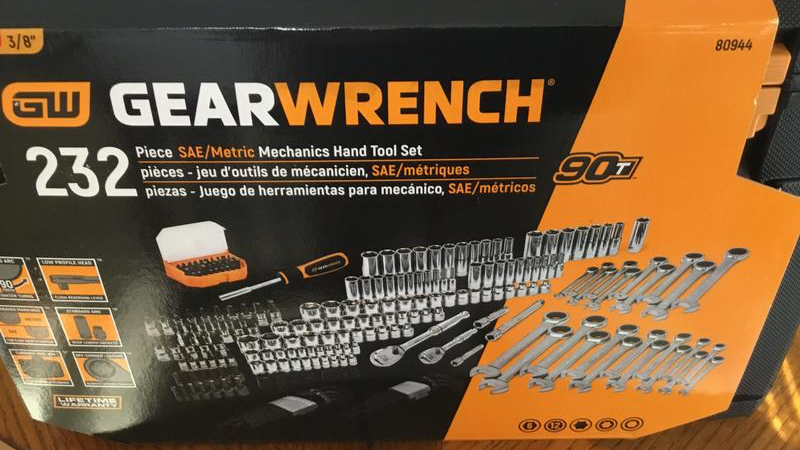
A) Socket set + ratchets (the backbone)
If you only buy one “real” kit early, make it a solid mechanic’s tool set. You’ll use it constantly.
What you want
- 1/4″, 3/8″, and 1/2″ drive ratchets
- Standard + deep sockets
- Extensions, wobble adapters, and a universal joint
- Bit sockets (Torx, hex)
- A compact case that stays organized
Best-value recommendation
- Gearwrench 232-piece mechanic’s tool set gets strong editorial recognition as a comprehensive set with broad coverage. Road & Track
Brief review
- A set like Gearwrench’s hits the homeowner sweet spot: enough sizes to avoid constant trips to the store, without paying premium-tool-truck money. Just be aware: no set is truly “complete,” so plan to add specialty sockets over time.
B) Wrench set (because some fasteners hate sockets)
What you want
- Combination wrenches (metric and SAE)
- Consider ratcheting wrenches later (nice, not mandatory)
Recommendation
- Use a reputable wrench set round-up as a starting point and buy a set that prioritizes fit and finish (rounded corners are what strip bolts). Popular Mechanics regularly tests wrench sets and frames the right use-cases. Popular Mechanics
Brief review
- Wrenches win when access is tight, when you need finesse, or when you need a “backup wrench” on the nut while turning the bolt.
C) Screwdrivers (and why I prefer sets with a stubby)
What you want
- #1/#2 Phillips, slotted
- Stubby driver
- A multi-bit driver for quick jobs
Brief review
- Cheap screwdrivers are a tax you pay later in stripped screws. A decent set lasts years and makes work less frustrating.
D) Pliers set (grip, bend, cut, hold)
Minimum set
- Needle-nose
- Linesman or combination pliers
- Tongue-and-groove (ChannelLock style)
- Locking pliers (Vise-Grips)
- Diagonal cutters
Even basic garage tool lists consistently flag pliers as a must-have category because of how many odd jobs they solve. Garage Giant
Brief review
- Pliers are the “third hand” in the garage. Locking pliers, in particular, save you when something is rounded, stuck, or awkward.
E) Hammers + prying tools (because sometimes persuasion is required)
Must-haves
- 16 oz claw hammer
- Dead blow mallet (automotive-friendly)
- Pry bar set (small + medium)
- Punch and chisel set (for pins, clips, stubborn parts)
Brief review
- Dead blow mallets prevent damage and reduce bounce. Pry bars are one of those tools you never think about—until you need one right now.
F) Measuring, marking, and layout (quietly critical)
Must-haves
- Tape measure
- Combination square
- Level
- Calipers (optional but incredibly useful)
- Sharpie + paint marker
Brief review
- “Measure twice” applies to garages because mistakes are expensive: wrong hole, wrong bracket spacing, wrong bolt length.
Automotive core tools (work safely and torque correctly)
1) Floor jack + jack stands (your safety system)
I’m direct about this: don’t do vehicle work without proper lifting and support.
What you want
- 3-ton floor jack (for most cars/SUVs)
- Quality jack stands
- Wheel chocks
- A flat, stable surface (no soft asphalt)
Best-value floor jack picks
- Car and Driver’s testing recommends the Blackhawk B6530 Fast Lift as a quality, no-frills floor jack for a home garage. Car and Driver
- If you’re dealing with lower vehicles, consider a low-profile, long-reach style (often favored by DIY communities), but prioritize proven build quality.
Brief review
- A stable jack with good lift speed makes the difference between “I’ll rotate tires” and “I’ll put it off.” Heavy jacks are inconvenient to move—but that weight is part of what makes them stable.
Jack stands
- I don’t rely on random “Top 10” listicles for safety-critical gear. Instead, I look for well-reviewed, widely used stand designs and established retailers. DIY mechanics frequently discuss ESCO-style tripod stands as a preferred design. Reddit
Brief review
- Good stands inspire confidence. Cheap stands create hesitation—which is your gut telling you something.
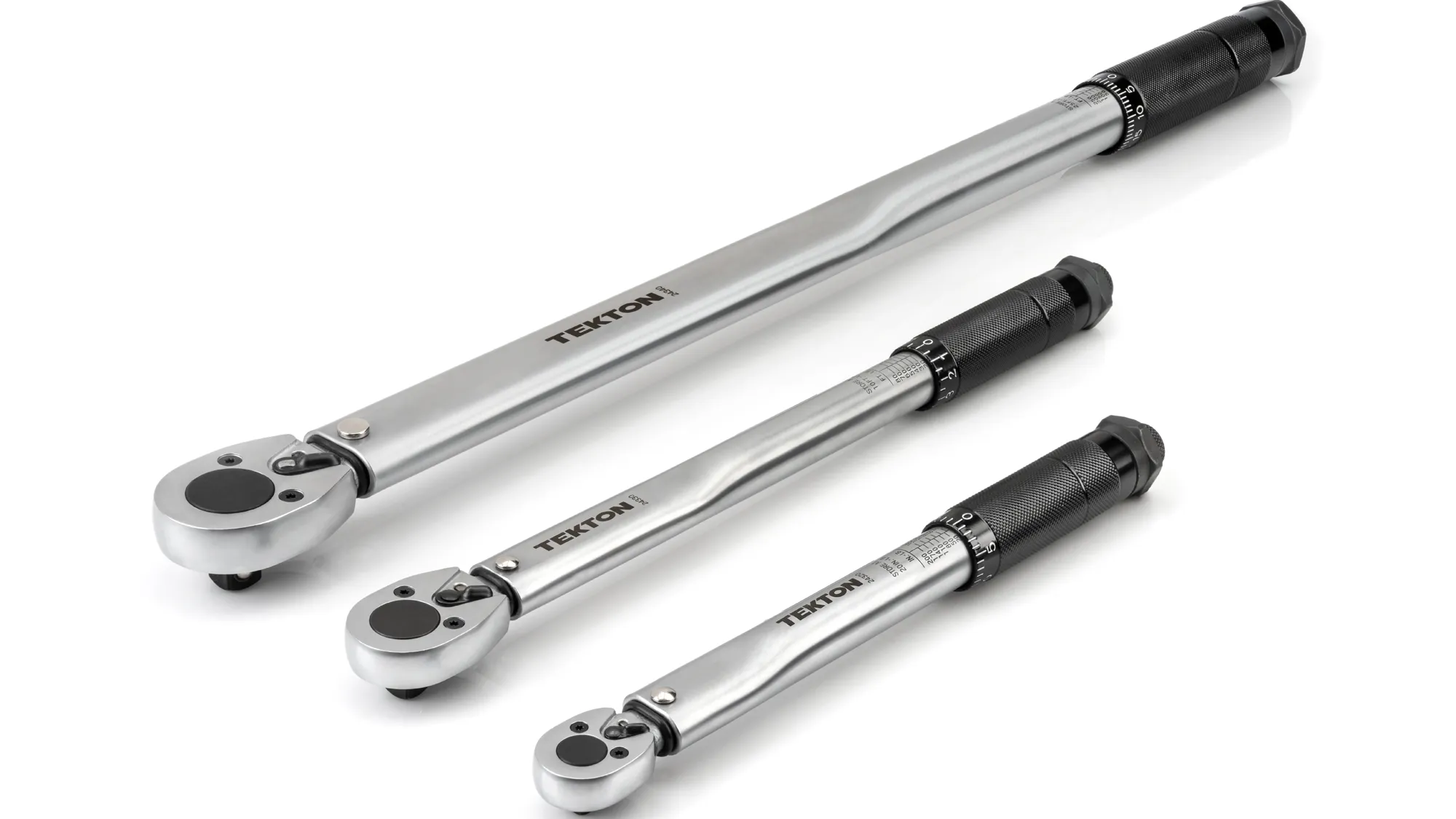
2) Torque wrench (because “good and tight” is not a spec)
If you touch wheels, brakes, engines, or suspension, you need torque control.
What you want
- 1/2″ drive torque wrench (for lug nuts and larger fasteners)
- Optionally 3/8″ for mid-range torque tasks
Best-value picks
- Popular Mechanics’ torque wrench guide includes well-regarded options like Precision Instruments split-beam for frequent use. Popular Mechanics
- If you want a solid value click wrench, several testing/roundup sources commonly name Tekton as a strong price-to-performance option. Automoblog
Brief review
- Click wrenches are straightforward and budget-friendly. Split-beam styles are excellent if you’re using them often and want consistent performance with easier setting and durability. (Also: store click wrenches properly and follow the manufacturer’s guidance.)
3) Breaker bar + impact sockets (for stuck fasteners)
What you want
- 1/2″ breaker bar
- Impact-rated socket set (metric first for modern vehicles)
- Penetrating oil
Brief review
- A breaker bar prevents the “I used my ratchet as a breaker bar and now it’s ruined” story we’ve all lived through.
4) Battery charger + jump starter (quiet hero tools)
What you want
- Smart charger/maintainer for long-term battery health
- Jump starter for emergencies
Brief review
- These aren’t glamorous, but they prevent tow trucks and dead-morning surprises.
5) Basic diagnostics: OBD2 scanner + test light
What you want
- Simple OBD2 scanner (read/clear codes)
- A quality test light
- A multimeter (more below)
Brief review
- For most homeowners, the goal is not advanced diagnostics. It’s answering: Is this a sensor code? Is it safe to drive? Do I need a battery? An OBD2 scanner gets you there.
Essential power tools (the homeowner “core four”)
1) Cordless drill/driver (the gateway tool)
If you only buy one cordless tool first, buy this.
What you want
- Two batteries
- A charger
- A basic bit set
- Brushless if the budget allows
Best-value recommendations
- Consumer Reports’ lab testing regularly highlights top-performing drill models across major brands. Consumer Reports
- Popular Mechanics’ recent drill testing calls out a Skil PWRCORE kit as a “best value” type pick, with higher-end choices from Milwaukee/DeWalt for performance. Popular Mechanics
Brief review
- For homeowners, “best value” often means: strong enough for deck screws and hardware, not overly heavy, and batteries that don’t cost a fortune to expand.
2) Impact driver (because long screws and lug-adjacent tasks exist)
What you want
- Compact impact driver (cordless)
- Impact bit set
Brief review
- Once you use an impact driver for lag screws or stubborn fasteners, you’ll wonder why you muscled a drill through it for years.
3) Oscillating multi-tool (the “impossible jobs” solver)
What you use it for
- Flush cuts on trim
- Cutting drywall openings
- Removing old caulk/grout
- Sanding in corners
Brief review
- This tool saves projects when nothing else fits. It’s messy and loud, but unbelievably useful.
4) Angle grinder (cutting, grinding, rust removal)
What you use it for
- Cutting bolts, metal brackets, exhaust clamps
- Removing rust
- Grinding welds (light duty)
Brief review
- An angle grinder is powerful and potentially dangerous. Use proper PPE, buy quality discs, and don’t get casual with it.
Air and tire tools (optional, but high ROI for homeowners)
A) Air compressor (light-duty garage use)
For homeowners, air is often about:
- Inflating tires
- Blowing out dust
- Running occasional nailers or light pneumatic tools
Best-value guidance
- Car and Driver’s portable compressor testing points to Craftsman or DeWalt 6-gallon pancake compressors as strong values for typical light-duty applications. Car and Driver
Brief review
- Pancake compressors are loud, but practical. If you do more frequent work, consider a larger tank or a quieter style (usually more money, more space).
B) Tire inflator (even if you own a compressor)
Brief review
- A small inflator is the tool you’ll use most often because it’s fast, portable, and doesn’t require dragging hoses around.
Electrical and precision tools (where DIY goes from guessing to knowing)
1) Multimeter (your electrical truth machine)
What you want
- Auto-ranging multimeter
- Leads with good strain relief
- Basic understanding: voltage, continuity, resistance
Brief review
- This is the difference between “I think it’s the battery” and “it’s absolutely the battery.” It also saves you from replacing parts blindly.
2) Wire tools and connectors
Must-haves
- Wire strippers
- Crimpers
- Heat shrink connectors
- Electrical tape
- Zip ties
Brief review
- Wiring repairs should look professional and be reliable. Heat shrink connectors are a homeowner’s best friend.
Cleanup and detailing (a clean garage is a usable garage)
1) Shop vac (cordless is nice; corded is king for value)
If you do woodworking, drywall, car interiors, or general garage cleanup, a wet/dry vac is essential.
Best-value recommendations
- TechGearLab’s testing rates the Craftsman 16-gallon as a standout performer among shop vacs they’ve tested. TechGearLab
Brief review
- Big canisters mean fewer dumps. Wide hoses move bigger debris. If your garage gets real use, this tool earns its keep quickly.
2) Chemicals and fluids (the “consumables shelf”)
What I keep stocked
- Penetrating oil
- Brake cleaner (use carefully, ventilate)
- Degreaser
- WD-40 (not a penetrating oil substitute)
- Grease
- Threadlocker (blue)
- Anti-seize (use sparingly)
- Rags + shop towels
Brief review
- Consumables are what turn a frustrating job into a smooth job. You don’t need 40 products—just the right 10.
The “complete kit” master list (with best-value picks and brief reviews)
Below is a practical, homeowner-focused tool list. I’m including “top picks” as best-value defaults—not the only good choices.
| Category | Tool | Best-value pick (example) | Brief review (homeowner perspective) |
|---|---|---|---|
| Core set | Mechanics tool set | Gearwrench 232-piece set | Covers most sockets/ratchets you’ll reach for weekly; excellent foundation. |
| Storage | Rolling toolbox | Gearwrench cabinet options / ICON line | Drawers and organization are productivity; don’t underestimate this upgrade. |
| Lifting | Floor jack | Blackhawk B6530 | Stable, solid, and fast lift; heavy but confidence-inspiring. |
| Torque | Torque wrench | Precision Instruments split-beam or Tekton click | Prevents stripped threads and uneven wheels; a real “adulting” tool. |
| Power | Cordless drill | Value kits like Skil PWRCORE; top performers in lab tests Consumer Reports | Your most-used power tool; prioritize battery ecosystem and ergonomics. |
| Cleanup | Shop vac | Craftsman 16-gallon | Handles everything from drywall dust to car messes; big capacity helps. |
| Air | Pancake compressor | Craftsman/DeWalt 6-gallon value picks | Loud but effective; enough for inflation and light pneumatic work. |
Buying rules I follow (so you don’t waste money)
- Buy storage and lighting earlier than you think. Tools you can’t find don’t get used.
- Pick one cordless battery platform and stick to it (at least for your “core four”).
- Buy safety-critical gear for quality first (jacks, stands, eye/ear protection).
- Avoid ultra-cheap no-name torque tools. Torque accuracy matters.
- Build in phases: foundation → hand tools → automotive safety → power tools → “nice to have.”
Build your garage tool setup in phases (practical and budget-safe)
Phase 1: Week 1 (do this first)
- Safety gear + fire extinguisher
- Lighting improvements
- Mechanics tool set
- Screwdrivers + pliers + hammer
- Tape measure, level, markers
Phase 2: Month 1 (become functional for vehicle basics)
- Floor jack + jack stands + chocks
- Torque wrench + breaker bar + impact sockets
- Oil drain pan + funnel + gloves + shop towels
Phase 3: Month 2+ (speed and capability)
- Cordless drill + impact driver
- Oscillating tool
- Shop vac
- Workbench + vise upgrades
- Optional: compressor and inflator